Blog

The Power of Grant Funding!
Grants are non-repayable contributions of money made by governments, philanthropic organizations, and corporations. Grants are also called gifts, donations, or contributions. They are powerful because they are a source of funding for a variety of purposes and they are not repaid.

Women in Business
To better support cisgender women business owners and founders, the Government of Canada launched the Women’s Entrepreneurship Strategy (WES) including the Women Entrepreneurship Knowledge Hub that provides information on resources supporting women business owners;, the WES Eco-System Fund funds initiatives that make entrepreneurship equitable for women, trans, and gender diverse folks; the WES Inclusive Women Venture Capital Initiative funds efforts to remove barriers to accessing venture capital; and the Women Entrepreneurship Loan Fund offers loans up to $50, 000 to scale operations.

Canada Day, Truth and Reconciliation
On Saturday, we celebrated Canada Day. It was Canada's 157th birthday, but it gave me reason to pause and consider what we were celebrating. As we know, western European settlers stole land from First Nations, Metis, and INuits peoples, forcibly removed them from their lands, and forced them to live on reserves. Indigenous children were stolen from their homes, families, and nations and forced into residential schools where they were subjected to abuse and intergenerational trauma. This is our history in Canada and as Canadians.
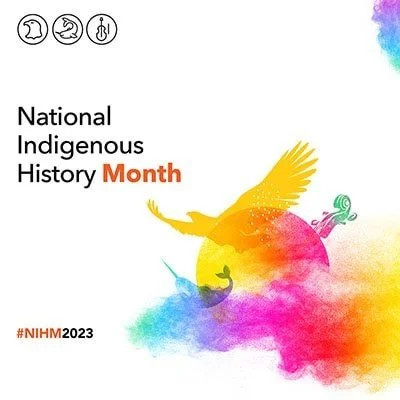
Indigenous Peoples Month - Speaking Truth and Restoring Relationships
The City of Toronto proclaimed June as Indigenous Peoples Month in the City and encourages residents to delve deeper into repairing relationships with Indigenous peoples. We can do this by supporting Indigenous businesses and artists, reading books written by Indigenous authors, and learning more about the critical work completed by the Truth and Reconciliation Commission and the report it tabled in 2015, which included 94 Calls to Action.
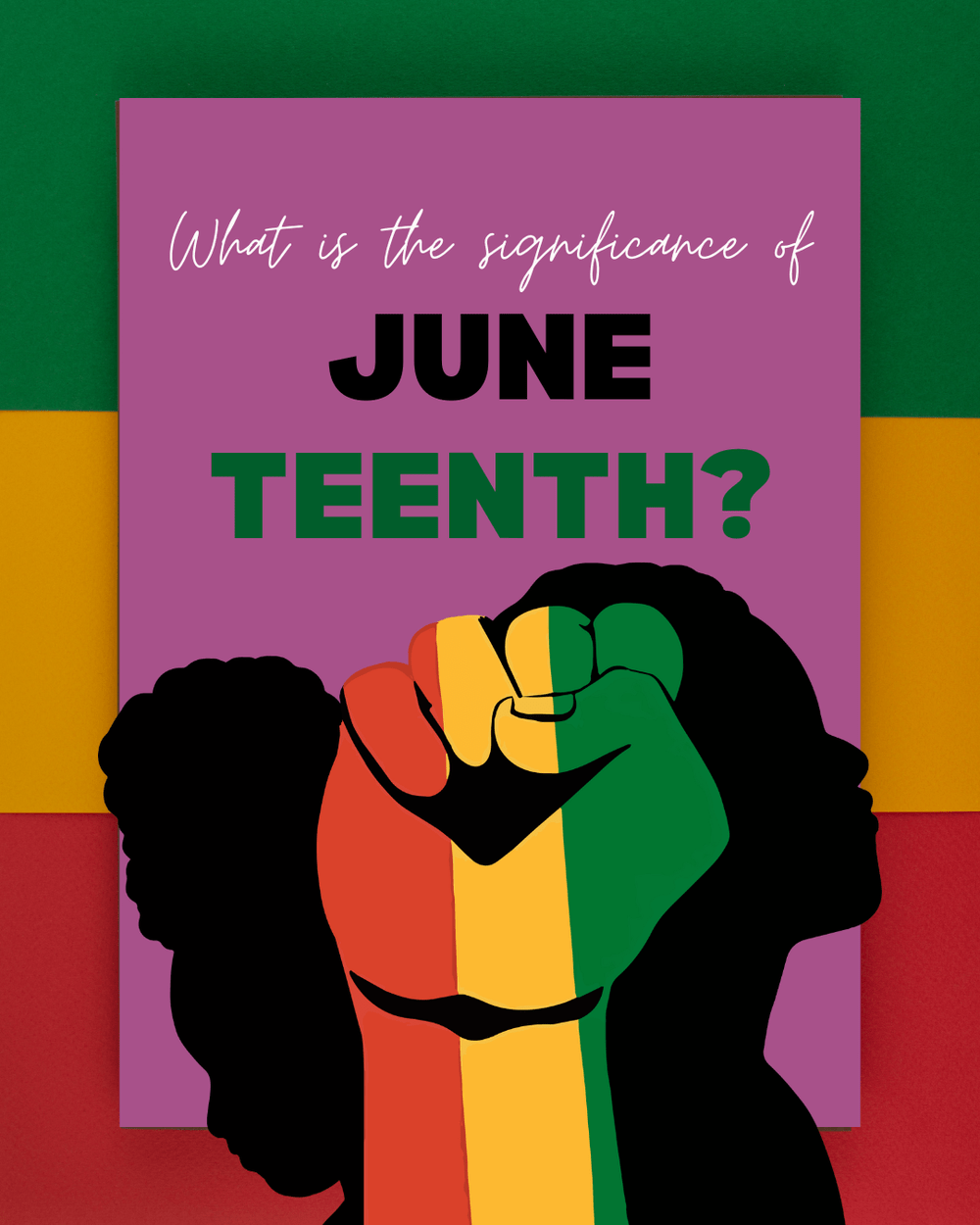
What is the significance of Juneteenth?
Happy Juneteenth! In the US June 19th is celebrated as emancipation day, which is the day in 1865 when African Americans were freed from enslavement in the state of Texas, but is now acknowledged across the country. The word Juneteenth combines the words June and 19th and is officially the June National Independence Day, and also known as Black Freedom Day, Emancipation Day, or Freedom Day.
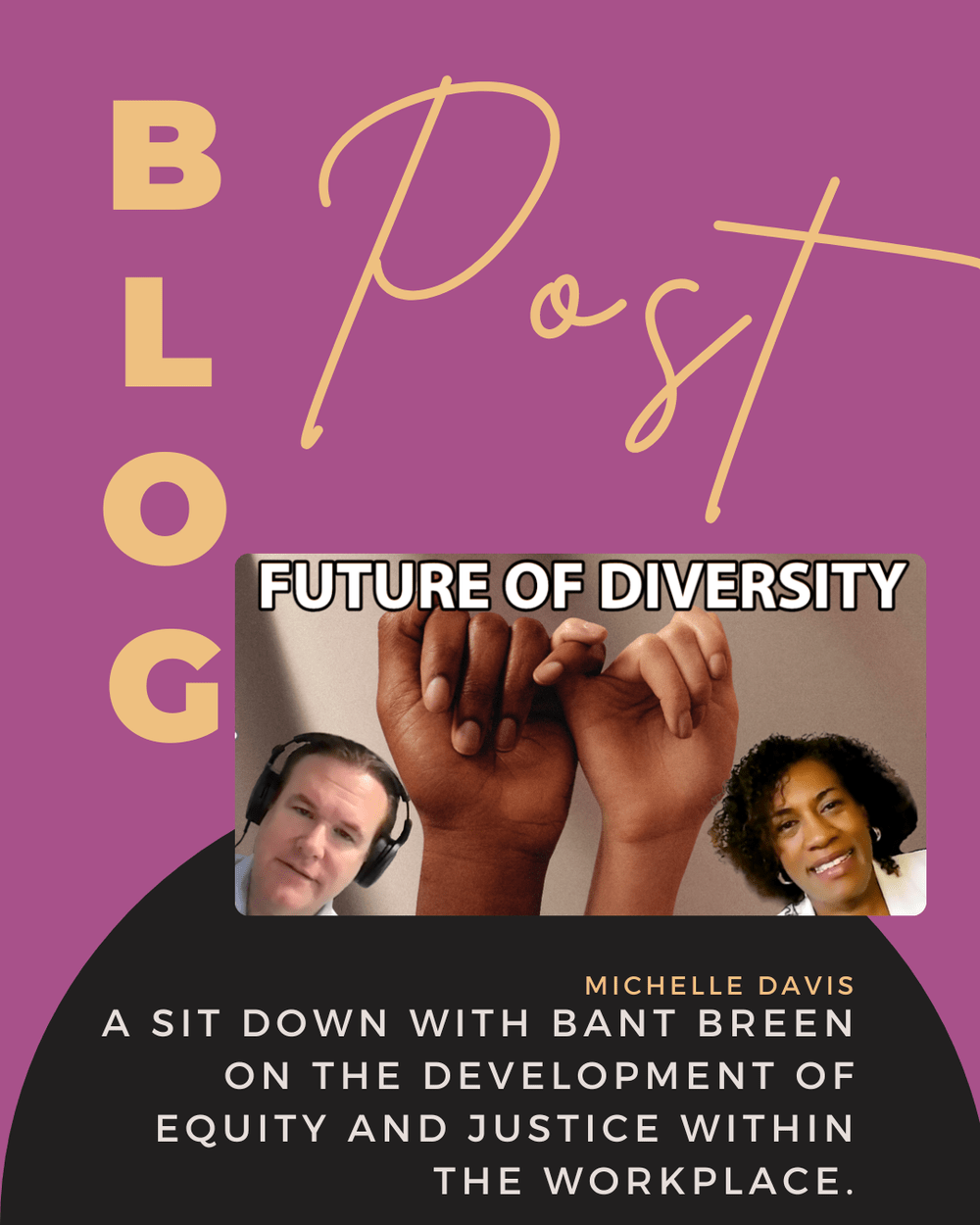
A sit down with Bant Breen on the development of equity and justice within the workplace.
I recently sat down with Bant Breen on The UNCAGED Show to discuss my career as Chief Executive Officer at MVD.
Celebrating Pride Month!
June is here and so is the warm and sunny weather. June is also Pride Month when 2SLGBTQ+ people and allies come together to celebrate the love, diversity, and overall beauty of the communities of folks who identify as 2SLGBTQ+.
Creating anti-Racist Workplaces by challenging White Supremacist beliefs at work - Part 4
This month on my blog, I have assessed how White supremacy shows up in workplaces and what organizations can do to interrupt these harmful practices. This is not a topic most workplaces know how to discuss and most people are uncomfortable approaching the issue, but it needs to be explored so we resist creating toxic workplaces. In last week’s blog post, I examined how defensiveness, the right to comfort, and the fear of conflict are part of organizational cultures and how workplaces can be intentional and create cultures that are equitable and healthy.
Challenging White Supremacist Beliefs in Workplaces - part 3
This month on my blog, I am sharing how White supremacy shows up in workplaces and what organizations can do to interrupt these harmful practices. This is not a topic many people are comfortable discussing but it needs to be explored so we resist creating toxic workplaces. In last week’s blog post, I examined how binary thinking, power hoarding, and paternalism are part of organizational cultures and how workplaces can be intentional and interrupt these patterns of thinking and behaving.

Challenging White Supremacist Beliefs in Workplaces - part 2
My goal in this blog series is not to blame all White people for these harmful beliefs, or to victimize all Indigenous, Black, and People of Colour; instead, my aim is to highlight the beliefs and practices that do not serve us as individuals, organizations, and societies. I truly believe these 14 practices contribute to toxicity in workplaces, which makes all of us tired, stressed, and sick, so we must stop believing and acting in these ways.
Challenging White Supremacist Beliefs in Workplaces
Happy May! It has been rainy and cool in Toronto, but it is said that April showers bring May flowers so I am hopeful that May will be warmer and filled with beautiful flowers.
I am writing the content for our new e-course “Creating anti-Racist Workplaces” and enjoying writing the curriculum. I begin the course by exploring the roots of racism, which is White supremacy. White supremacy is the idea and belief that White people and the ideas, thoughts, beliefs, and actions of White people are superior to Indigenous, Black, and People of Colour and our ideas, thoughts, beliefs, and actions.

Measuring your workplace DEI efforts
Last week I shared insight into the Global Parity Alliance’s Diversity, Equity, and Inclusion Lighthouses Insights Report 2023. The report named five factors that underpin successful workplace diversity, equity, and inclusion (DEI) workplace programs. One of the important factors for success identified is measuring workplace DEI programs and this is critical for a number of reasons. First, it is important to know how effective your programs are. Second, it is important to know what changes you need to make to improve your programs. Third, it is important to know how you compare to other organizations.
What are the five key drivers for successful workplace DEI programs?
The Global Parity Alliance seeks to identify organizations with DEI programs that are successful, scalable, and sustainable to demonstrate to organizations that are struggling with their DEI initiatives what success can be.
Misogynoir and the Misrepresentation of Young Black Women
You may have heard the term 'misogyny' and know that it refers to the hatred of women that is expressed in words, thoughts, beliefs, and actions and lies at the root of sexism, transphobia, and homophobia. The term Misogynoir describes the specific hatred of Black women because of the intersection of racism and sexism.
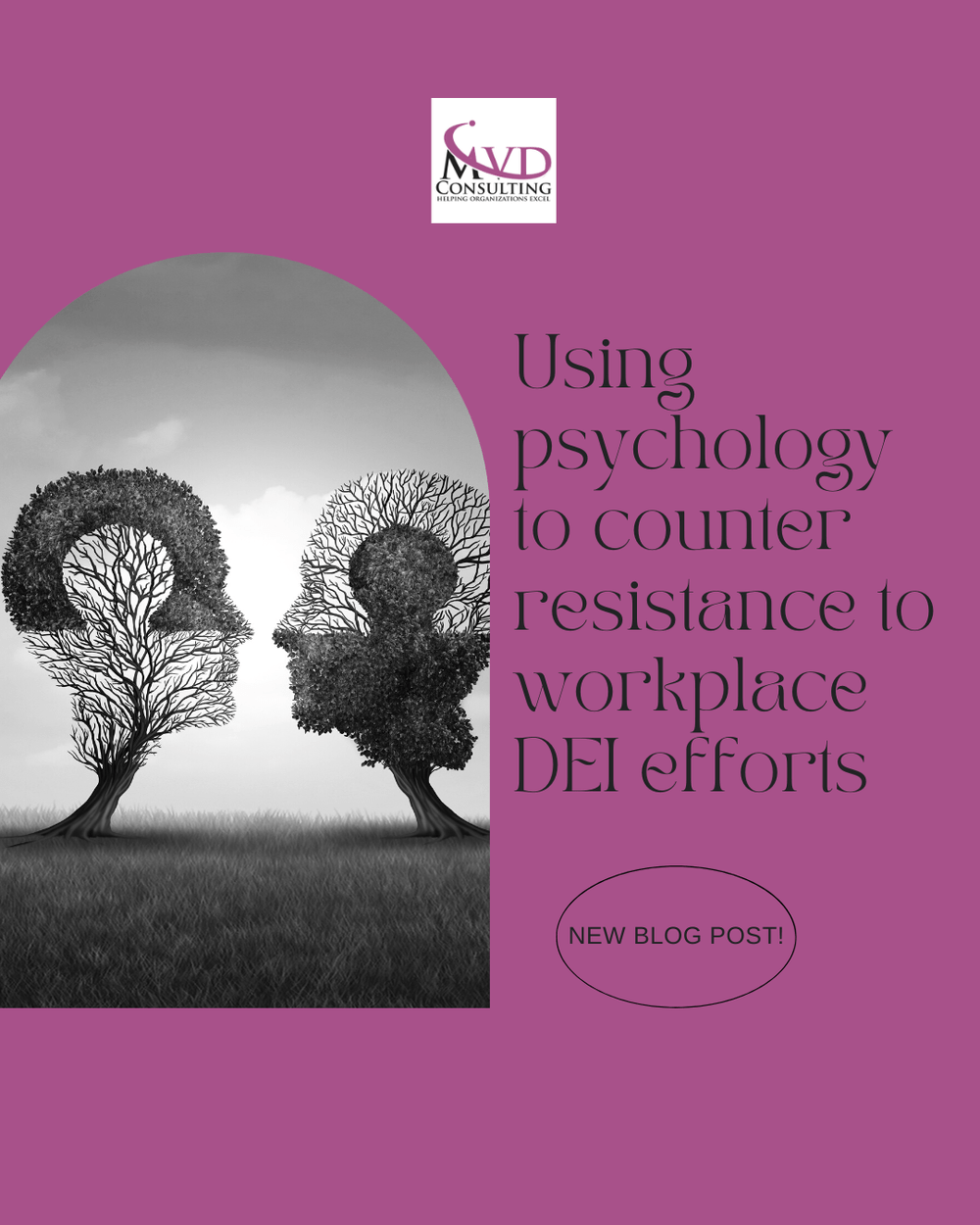
Using psychology to counter resistance to workplace DEI efforts
Employees from privileged communities experience status threat if they understand DEI initiatives as threatening their status within the workplace. The authors explained that these persons viewed DEI as a “zero-sum” gain, where they could lose status such as pay, job, promotions, etc. when persons from equity-deserving groups have access to these resources.
The State of Diversity, Equity, and Inclusion in Canadian Workplaces 2023
Last week on the United Nations Day for the Elimination of Racial Discrimination, we released our new report The State of Diversity, Equity, and Inclusion (DEI) in Canadian Workplaces 2023. The day remembers the 69 persons killed by police in Sharpeville, South Africa in 1960 who peacefully protested the racist apartheid system. The day also serves as a call to action for states, governments, institutions, and persons to end racism, including systemic and institutional racism.
8 Things Workplaces can do to Become More Anti-Racist and Equitable
In my previous three blog posts, I wrote about diversity, equity and inclusion in Canadian workplaces. Today, I want to share advice on what workplaces can do to become anti-racist and equitable organizations. Persistent inequities including racism and the increased expectation that workplaces ensure justice and safety for staff, volunteers and others, make it imperative that employers act boldly.

Equity in Canadian Workplaces
This is the third in a series of blog posts where I have examined diversity and inclusion in Canadian workplaces and I found that while important progress has been made, a lot of work remains. Today I explore equity within workplaces. Equity is understood to be the fair treatment of equity deserving groups including women, Black, Indigenous and persons of colour (BIPOC), persons with disabilities and 2SLGBTQ+ folks. Three important markers of equity within Canadian workplaces are who holds senior management and executive positions, what people are being paid, or pay equity, and which companies are awarded contracts, or supplier diversity.
Inclusion in Canadian Workplaces
In last week’s post I discussed diversity in the federal service, not-for-profit and for-profit sectors. From this overview, I found Canada’s not-for-profit organizations to be very diverse, followed by the federal government, and then businesses. Finding data that breaks out who works in these sectors was difficult and revealed a large gap in data that we need to fill in Canada. Some employers still say they do not ask employees to indicate their various identities, but it’s 2023 and this needs to be asked! This is the only way workplaces can measure and monitor how they are progressing on their diversity goals.
Today I will continue examining Canada workplaces by assessing inclusion.
Diversity in Canadian workplaces
The study conducted telephone interviews with 1,000 Black workers asking them about their work experiences in 2022. KPMG reported that 96% of these persons said their working conditions improved in 2022 when compared to 2021. I was really happy to hear this. The levels of anti-Black racism in Canadian workplaces is often toxic to Black staff impacting our health and wellness, productivity, rates of retention and overall levels of satisfaction and engagement. This survey result is encouraging and got me thinking about the state of diversity, equity and inclusion in Canadian workplaces.